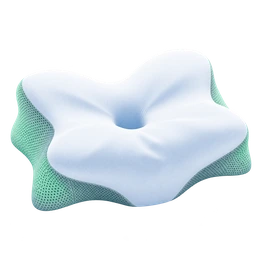
 Derila Ergo Pillow
A Comfort Pillow Is a Separate Choice from Treatment
Derila Ergo Pillow is a contoured memory foam pillow intended for head and neck comfort. It is not established here as a treatment for sleep apnea. If you searched for the product because of a breathing concern, that distinction is the most important starting point. A pillow’s shape and a medical treatment plan answer different questions.
The product combines a central head cradle, raised side areas and shoulder cutouts. Those features may be relevant when comparing bedding preferences, but their presence does not demonstrate that a breathing disorder is controlled. Do not use a comfortable night, a product testimonial or an appealing illustration as a substitute for professional assessment. Discuss suspected sleep apnea and any proposed changes to prescribed care with a qualified healthcare provider.
What the Medical Reference Actually Says
The National Heart, Lung, and Blood Institute explains that sleep apnea care can include provider-guided lifestyle changes, positive airway pressure, oral devices and other treatments. It identifies PAP as the most common treatment and notes that a provider may recommend side sleeping for some patients. These are medical care options described in its sleep apnea treatment guidance.
That guidance does not evaluate or endorse Derila Ergo Pillow. A recommendation about position is not evidence for a particular retail pillow. The pillow should not replace prescribed PAP, an oral appliance or another treatment. If you want to change your bedding while using treatment, ask your provider how to do so without disrupting the plan selected for you.
What Derila Ergo Is Designed to Offer
The confirmed product features are a butterfly contour, high-density polyurethane memory foam and a cooling cover. The central area gives the head a defined resting place, and the side zones provide another shaped surface. Shoulder cutouts are part of the geometry. These are appropriate features to discuss when deciding whether a pillow matches your preference for structured support.
They are not a way to measure airway function or treatment effectiveness. Even a detailed description of head and neck positioning cannot establish what happens to an individual’s breathing during sleep. Keep the purchasing decision focused on the product information available: shape, dimensions, material, cover fit and care. Any medical conclusion needs a different kind of assessment and should not be inferred from the pillow’s appearance or the word ergonomic.
Side-Sleeping Marketing Needs Context
Derila markets the pillow for side, back and stomach sleeping. Its raised side areas and shoulder space explain why side sleepers may look at the design. However, a seller’s list of intended positions does not prescribe the correct position for someone with a diagnosed condition. The position appropriate for your treatment plan should come from your healthcare professional.
If you have been given positioning advice, ask which support characteristics matter when choosing bedding. The answer may help you frame useful product questions about dimensions or contour height. Do not assume that a pillow advertised for side sleepers automatically meets an individual medical recommendation. The practical connection is limited: product information can help describe a bedding option, while your provider determines whether that option fits the care advice you have received.
Questions to Bring to a Healthcare Appointment
Explain why you are considering a different pillow and what you hope will change about your comfort. Ask whether the proposed shape is compatible with the sleeping position and treatment setup recommended for you. If you use prescribed equipment, ask what to watch for when changing bedding and whom to contact if the arrangement feels awkward.
Bring the product description or a picture of the contour if it helps explain the choice. Be clear that the purchase is a retail pillow, not a prescribed device. Your appointment is also the place to ask how any ongoing symptoms should be assessed. Avoid framing the question as whether the product can cure a condition when the available information only describes its materials and support shape.
Questions for Product Support
The seller can address product-specific details such as the approximate dimensions, intended orientation, cover compatibility and care instructions. The displayed footprint is approximately 54 by 36 centimetres, and the support information identifies the core as polyurethane memory foam. If an exact contour height or fabric composition matters to your decision, ask for that detail for the selected model.
Keep product and medical questions distinct when contacting support. A customer-service answer about foam construction is not an individual treatment recommendation. Likewise, a general comfort statement should not be interpreted as evidence that the pillow is compatible with every prescribed device or positioning plan. Record the concrete specifications you receive and discuss any health-related implications with the professional responsible for your care, rather than asking retail support to make that decision.
The seller’s support centre also provides instructions and accessory information. Use those resources to understand the product itself, and keep the information available for a healthcare conversation if a specific measurement or construction detail is relevant to your circumstances.
Evaluate Comfort Without Making a Medical Inference
If a pillow is appropriate for your circumstances, follow its supplied instructions and assess whether the setup feels comfortable. Do not force your head or shoulders into a pictured position. Stop using a setup that creates discomfort and ask for advice when needed. A shaped foam pillow can feel different from loose filling, so the material and contour deserve attention as ordinary bedding choices.
Comfort by itself does not confirm that sleep apnea is being treated effectively. Do not change prescribed settings, stop treatment or postpone follow-up because a different pillow feels better. The same caution applies to third-party reviews that describe dramatic changes in sleep or snoring. Those stories cannot establish what is happening in your own situation and should not become the basis for changing a medical plan.
Purchase Terms Still Matter
A health-related concern can make a promised solution sound especially appealing, so keep the commercial details clear. Derila’s current offer includes one, two and four-pillow packages, and this independent guide may earn commission from qualifying purchases through its links. That relationship does not create clinical evidence or make the product a medical recommendation.
The 60-day return window starts from receipt and has unused-item, original-packaging and RMA conditions. Customer-paid return postage and nonrefundable original shipping also apply. It is not an unrestricted sleep trial. If the ability to try a product after use is important, clarify eligibility before buying. Choose bedding with a realistic understanding of both the comfort features and the purchase conditions, while keeping diagnosis and treatment decisions with your healthcare provider.